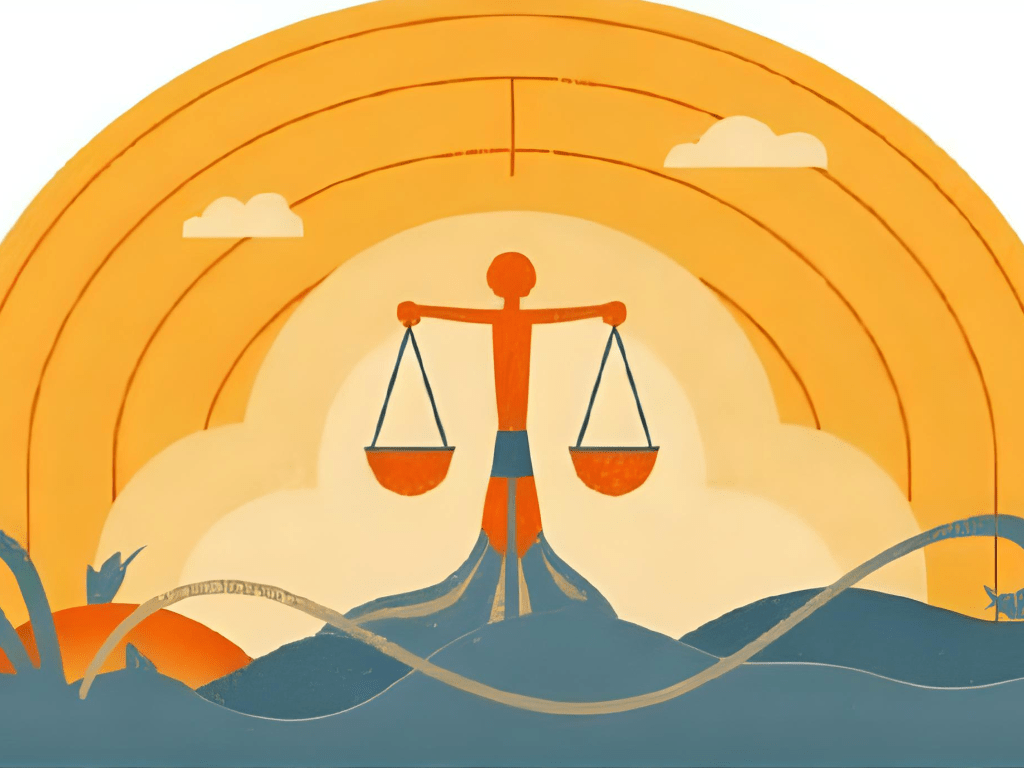

Creation care is an act of love for ourselves and each other.
The impact of climate change unquestionably affects all of us. Increasing global temperatures are proving to unleash a cascade of extreme weather events in nearly every geographic region. Widespread forest fires, polluted skies, prolonged summer heatwaves, shrinking freshwater supplies, rapid intensification of powerful hurricanes, unprecedented flooding rainstorms, and rising sea levels contribute to a growing global crisis for humanity. Threats include the degradation of property, infrastructure, food production and distribution, energy, healthcare, and overall quality of life. With impacts already being tracked and felt, we’re nearing the tipping point where we must choose action and hope over apathy and despair.
Creation care is an act of love for ourselves and each other.
We live in an interconnected world. Yesterday’s decisions make for today’s crisis management, and the paths we choose now will impact our neighbors tomorrow, both near and far. Addressing climate change cannot be left to more efficient recycling programs or reducing greenhouse emissions. Climate change perpetuates inequality and injustice for billions of our global family members. The solutions demand more from us: our hearts, minds, and collective hope.
It’s estimated that 3.6 billion people in the world today are highly vulnerable to the immediate and catastrophic effects of climate change.[1] The concentration of the most vulnerable are those living along and near the equator, impacting the continents of Africa, South Asia, and Central and South America to the greatest degree.[2] Compounding food and economic insecurity, forced displacement caused by war and conflict, and the oppression of people groups create the conditions for growing inequality between the elite and marginalized worldwide.
For example, the richest 1% of the global population is responsible for producing as much carbon pollution in 2019 as the poorest 66%, while the bottom 50% were responsible for just 7% of emissions.[3] Given the mass scale of industrialization, automobile use, growing transportation industry, and increasing energy needs among developed and wealthy nations, these are not surprising statistics. While rising global temperatures and climate change are caused by compounding impacts of human activity around the globe, the wealthy of the world disproportionally bear the greatest responsibility for the long-term effects that stand to adversely harm those who contribute the least to climate change. Those acutely at risk in the next decade will bear the cost in lives and deep economic punishment as wealthy developed nations and people continue to perpetuate harm.
Climate change perpetuates inequality and injustice for billions of our global family members. The solutions demand more from us: our hearts, minds, and collective hope.
Addressing climate change is a holistic, forward-thinking undertaking that cultivates human flourishing and goodness. It requires strategies and education that promote the care of creation with the end goal of achieving justice for everyone, everywhere. Acting on climate change is how we collectively love ourselves and our neighbors—our One human family.
Creating a better world begins with the heart.
Hope and Justice For All
If you’re like me, you’re looking for compassionate hearts and rational minds in our chaotic world. Hope, change, and justice for everyone, everywhere require thoughtfulness, dedication, and courage to values-based living and leading. I believe that for myself—and for you. Will you join me in this consequential cause? You won’t find ads, paywalls, partner links, or random emails from me. I’m not for sale, and neither are you. However, this work does require support, and with your help, can remain accessible and uninterrupted. Please consider making a donation to keep weekly insights for hope and change available to you and others. Thank you!
[1] https://www.weforum.org/stories/2022/11/cop27-rich-countries-climate-change-summit/
[2] https://www.ipcc.ch/report/ar6/wg2/figures/chapter-8/figure-8-006
[3] https://earth.org/global-carbon-emissions-richest-1-match-emissions-of-5-billion-people/



 Matt Till