

There is a social deconstruction movement unfolding before our eyes.
The movement crosses ideological barriers and generally focuses on anything related to government or public authority figures. From defunding the police to dismantling the Internal Revenue Service, the World Health Organization, or the fictional “deep state,” people are increasingly distrustful of and openly rejecting the systems and institutions that have built the world we currently inhabit.
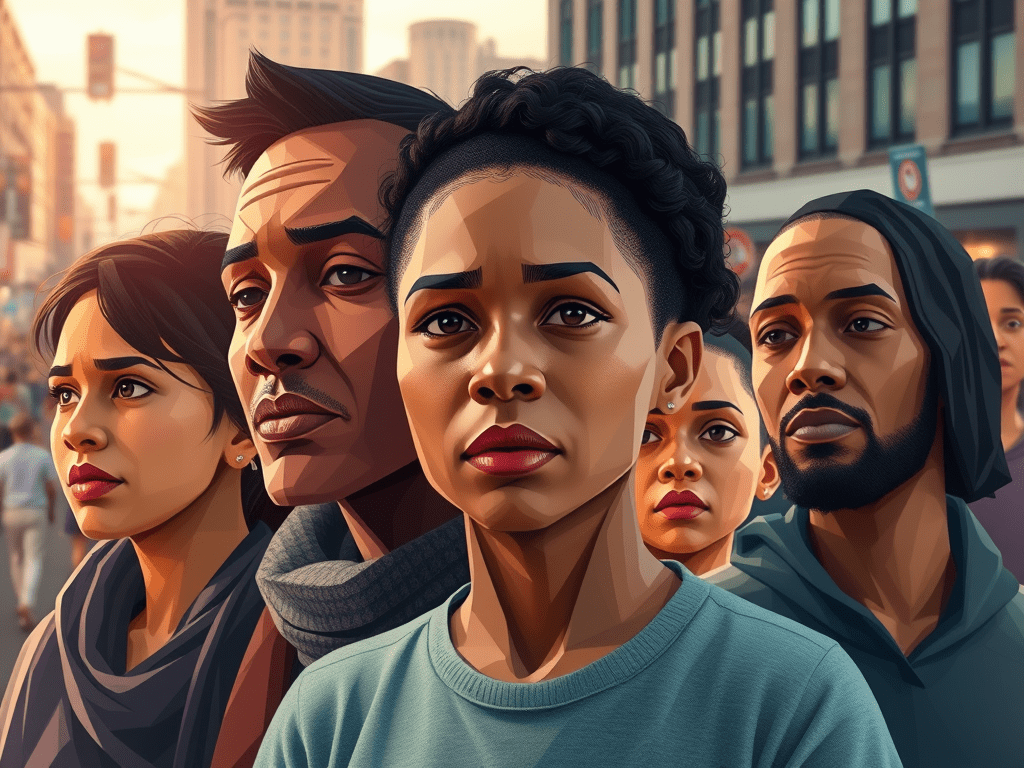
Deconstruction is the questioning, disillusionment, distrust, and attempt to dismantle and expose longstanding institutions or narratives. The conditions for deconstruction are created by moments of crisis—real or perceived. Polling reflects this trend, including when it comes to commonly held professions. Politicians, lobbyists, and journalists continue to rank at the bottom of the list, with judges, clergy members, medical doctors, and police officers experiencing steep declines in public perception.[1] A symptom of the growing distrust of the institutions these professions represent.
Deconstruction is the questioning, disillusionment, distrust, and attempt to dismantle and expose longstanding institutions or narratives.
Reexamining long-held assumptions, beliefs, and ways of life is a natural experience for anyone on a journey of personal growth and change. In a healthy process, individuals discover new and exciting insights, constructively incorporate their past experiences into new ones, and respectfully honor the legacy of their cultural past while embracing a well-informed future. Deconstructing and reexamining beliefs can be a productive experience or a catastrophic one.
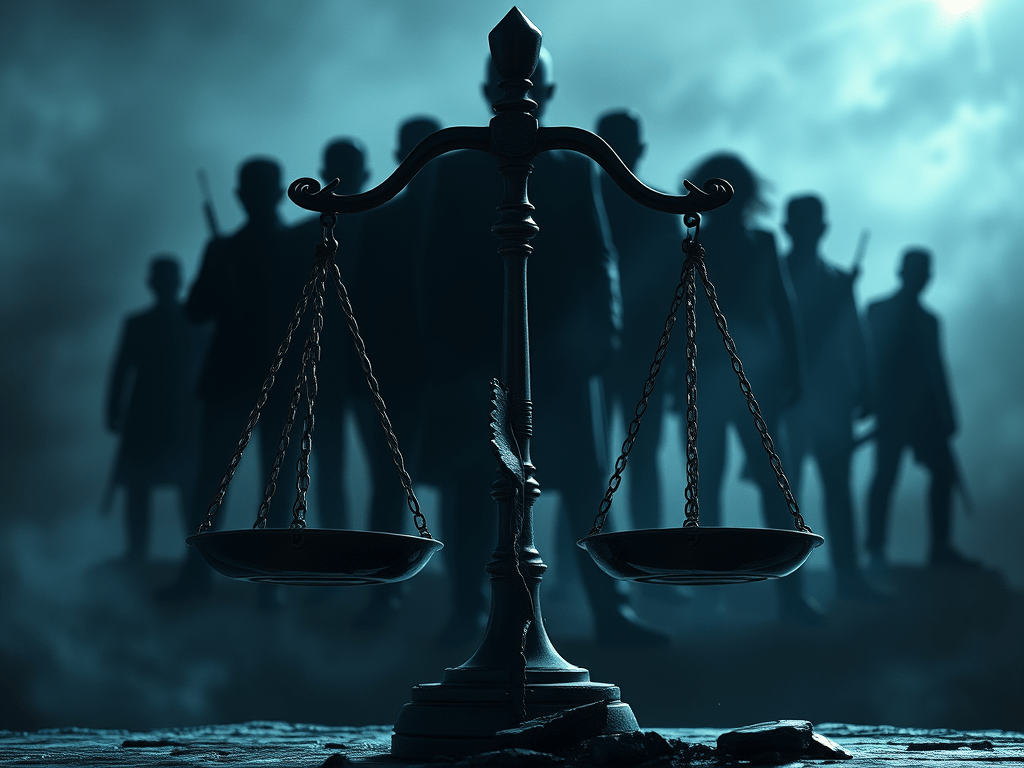
The loss of objective facts and truth is at the core of today’s social deconstructionist movement. As nuance, complexity, misinformation, and compelling storytelling are increasingly introduced into our social conversations, truth and facts become subjective to personal bias rather than objective points of reference. In the absence of truth, there is a fervency to rewrite and control social narratives—to decide what is and is not true for everyone. This is how today’s radicalized and violent movements are born.
In the absence of truth, there is a fervency to rewrite and control social narratives—to decide what is and is not true for everyone. This is how today’s radicalized and violent movements are born.
Facts and comprehension change with new information, experience, and discovery. To dismiss, falsify, or pursue fictional realities in denial of expanding awareness is to perform an injustice against the intellect, experiences, and contribution of others. The enablers of today’s movements that seek power to define reality in favor of their preferred existence will predictably undermine the future they wish to invent. Knowledge and understanding change, but the realities of the universe do not.
A thriving future requires holistic perspectives and open methodologies that continuously invite dialogue, discovery, and revelation. Truth is knowable, but our willingness to harness and live according to an objective and informed reality has yet to be seen.
[1] Americans’ Ratings of U.S. Professions Stay Historically Low. Gallop, January 13, 2025. https://news.gallup.com/poll/655106/americans-ratings-professions-stay-historically-low.aspx

 Matt Till