

With the 2024 Presidential Election days away, our nation is about to break the election season fever, but the race for 2028 will almost certainly begin immediately. For those winded by endless polarized debates in our public, private, and media-saturated lives, my message is for you.
Winner Does Not Take All
For decades, politics in America has been defined by the growing polarization between “red” (Republican) and “blue” (Democratic) states, counties, and districts. The typical voter knows this is an oversimplification of the electorate, visualized by statistics and election results intended to represent the party that earned the most votes. The reality of productive governance is far more complex and nuanced.
For those winded by endless polarized debates in our public, private, and media-saturated lives, my message is for you.
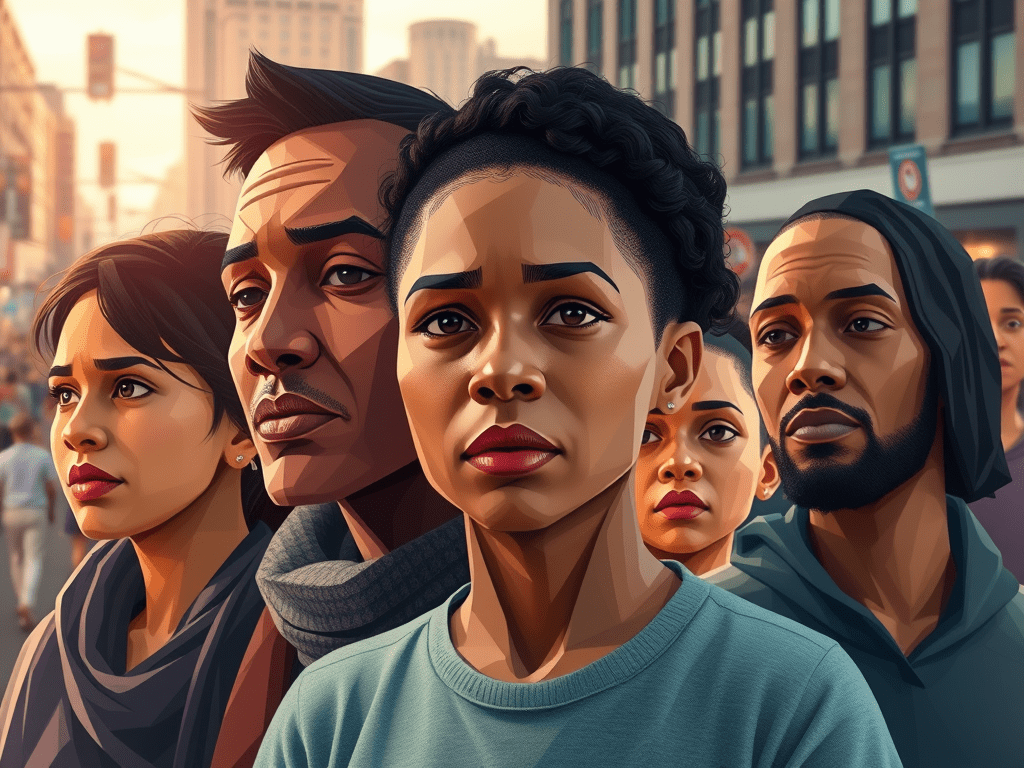
A friendly conversation with a rational neighbor or coworker will quickly reveal diverse assumptions, uncertainties, and opinions on several issues. The economy, immigration, healthcare, abortion, the trustworthiness of government, military conflicts, artificial intelligence, and the environment are just a few of the top issues on the minds of engaged voters. If the conversation is truly respectful and judgment-free, it would be no surprise to discover most voters reflect a broad spectrum of beliefs, ideas, and hopes for a better tomorrow. Such conversations – as rare as they may be – serve as a humbling reminder that people are not binary but complex individuals trying their best to live in an ever-changing world. It’s also fertile ground for establishing trust and openness that can lead to practical solutions that benefit everyone.
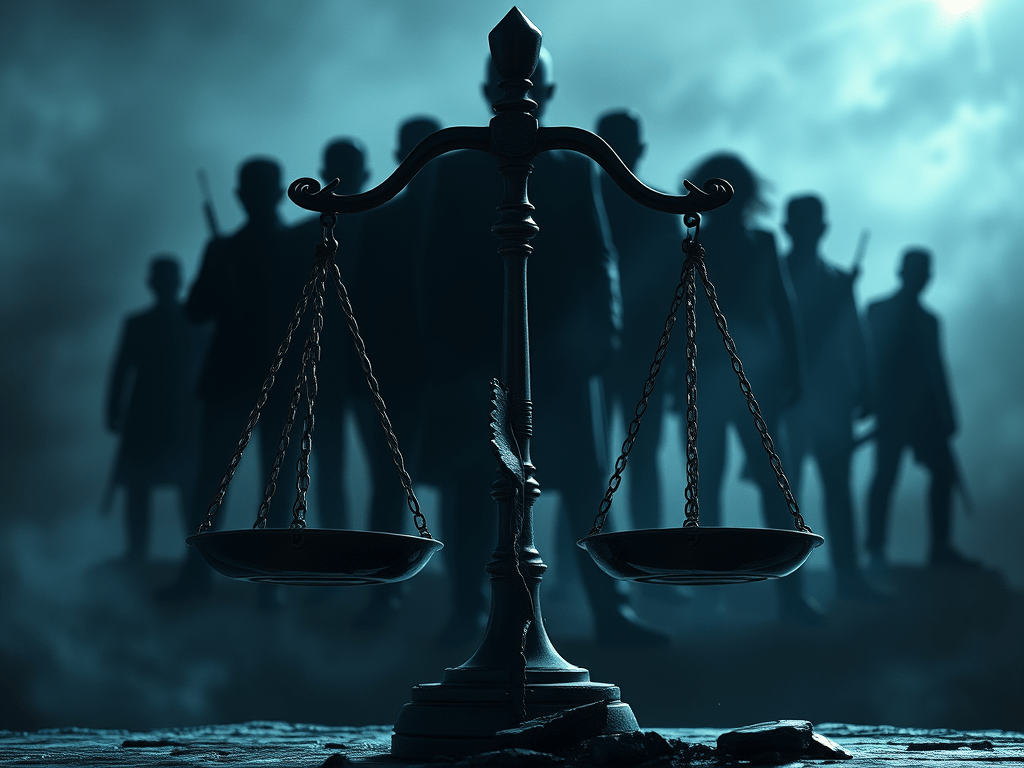
In contrast, the danger of sorting ourselves into red and blue political categories is already apparent and growing more alarming every year. Anger, bitterness, and violence are the results of escalating differences. Polling numbers ahead of the election show Democrats and Republicans evenly split and predictably choosing their tribe with the goal of winning at all costs. As the pundits tell us, this election will ultimately be determined in the margins with independents and party moderates who decide to cast their ballot.
The danger of sorting ourselves into red and blue political categories is already apparent and growing more alarming every year.
As we anxiously head to the ballot box, the polarization is hard to stomach. The increasing tension between conviction, candidates, party, neighbors, friends, and perhaps family stands to further divide society, often forcing individuals to make impossible decisions. Many, unfortunately, will choose to disengage and not vote because the decision is too difficult.
When given a choice between two distinct worldviews in a pluralistic world where you and your community don’t feel fully represented, how do you make a rational decision or not lean to more extremist positions? Perhaps it’s best to elevate the stakes to find hope in the chaos.
Embracing Change and Complexity
A worldview is something like an operating code for our consciousness that informs what we believe about ourselves, the world, and our responsibility to each other. In a racially or culturally homogeneous society, worldviews are often limited and, therefore, take on an assumed social order. This occurs because the embedded social code goes largely unchallenged by the presence, experience, or values of others. However, in a more globalized and pluralistic society, multiple worldviews and social codes are at work, each being challenged simply by co-existing alongside the other. This results in a creative and uncomfortable tension. On the one hand, this tension is necessary for exposing opportunities for personal growth and inviting novel ideas and solutions to current or emerging issues not previously considered. On the other, insecurity, fear, and guilt incite distrust and existential fears among differing codes and social expectations, especially when they feel threatened or misunderstood.
The course of human progress is always forward, never backward. It’s always adapting and evolving to meet the challenges of today, including integrating differing worldviews into the ever-widening tapestry of the human experience. Abolishing slavery, granting equal access to the ballot for every citizen, ending racial segregation, and legalizing same-sex marriage are all significant changes throughout our history that were made possible by the emergence of new and competing values that fought for their right to existence and eventually adopted by society.
The course of human progress is always forward, never backward.
The risk of growing polarization matters because history has plenty of stories to glean from when a single group with a dominant worldview attempts to suppress new or competing values. It never ends well. These attempts always fail, even if temporary success is achieved.
Take, for example, the sudden swell of reaction in support of abortion rights around the country. With the present ideologically conservative Supreme Court’s decision to overturn Roe vs. Wade, individual states are now adopting legislation and amendments to protect abortion rights for women and physicians within reasonable limits. While many of our family, friends, and neighbors would never choose an abortion for themselves or someone else, they recognize the nuance, choice, and purpose a woman would consider or need an abortion without fear of judgment, imprisonment, or, worse, her death.
When one ideological group had the power to revert the status quo to a value best suited for them, they failed to understand the consequences of working against what humanity has always done – embrace complexity.
Insecure, single-minded, or extremist leaders are motivated to resist change and protect the status quo that benefits them and their constituents. When given the tools of power, the oppression of ideas, people, and their values follow. Even if such a reality becomes our own, it’s unlikely our story will end there because human development and evolutionary progress cannot be tamed. As it turns out, we are designed to thrive and reach our eternal destiny laid out for us at the moment of our creation. Change and complexity are inherent in the human experience.
A Vote for Democracy Today Inspires a Better Tomorrow
After nearly 250 years, American democracy is showing its age. Just because it’s failing to meet the moment doesn’t mean it’s destined to be dismantled, as some would fantasize. There is still hope and pathways forward to a better representative democracy that doesn’t divide but unites us in our diverse and shared experiences. A polarized two-party system may not be suitable for the next phase of American democracy, but for now, it’s what we have to work with.
Today, it remains our collective responsibility to create avenues that make space for diverse values, ideas, and representation in society and policymaking. It’s the only way we grow, evolve, and prosper together. The quest for ideological power and control of institutions is not the future we ultimately benefit from or truly want. To go down that road is the way of authoritarian regimes that over-promise and never deliver. An equitable and collaborative future is our surest alternative and a more hopeful pathway to a better tomorrow. The question is, will we embrace it or resist it?
As it turns out, we are designed to thrive and reach our eternal destiny laid out for us at the moment of our creation. Change and complexity are inherent in the human experience.
In this election, no party or candidate truly embodies this ideological future. We are likely a generation or two away from such a reality, but the decisive moment is now.
One candidate has proven she can build diverse cross-party coalitions that lay the groundwork for a more inclusive and equitable future for everyone. The other has proven he will actively resist diverse values, collective growth, and human progress at our peril. If there was ever a moment to be a true “single issue” voter, this is your election to show up.
The future of Democracy is at stake. Election Day is Tuesday, November 5, 2024. Make a voting plan and act on it.

 Matt Till
One response to “Vote for Change: Building a Better Tomorrow”
Very well articulated Matt – thank you!!