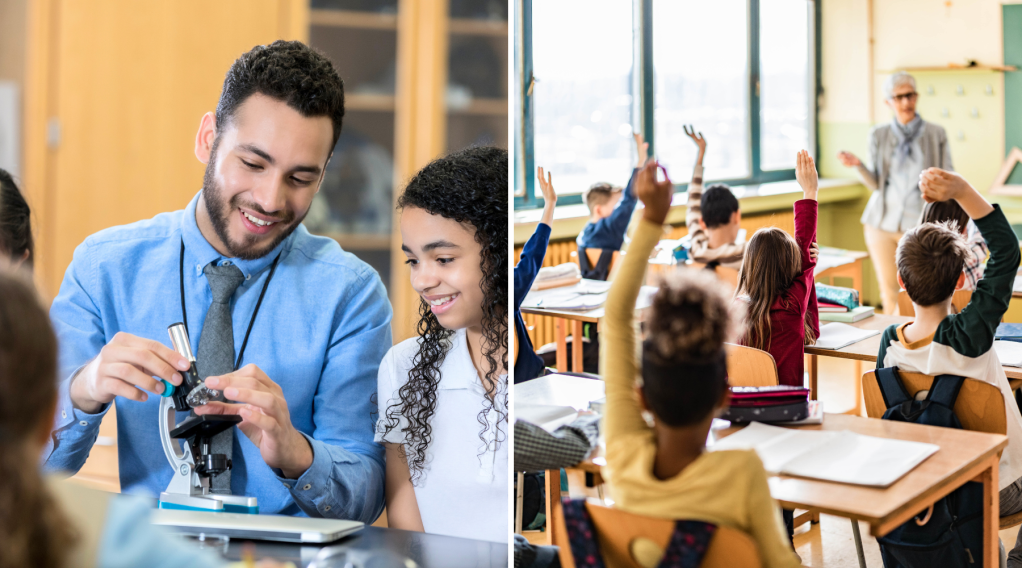

Florida schools are in dire need. Regardless of political affiliation, the majority of Florida residents with school-age children recognize the public school system is suffering from underfunding, overcrowded or closing classrooms, substandard teacher pay and retention, declining student attendance, increasing concerns over safety and security, and poor outcomes in academics and mental health. A Florida public High School teacher recently pleaded to me, “We don’t have enough help.” The system is blinking red and is need of urgent intervention.
A new proposal in the Florida state legislature[1] seeks to specifically address the acute issues related to behavior and mental health inside public schools by embracing community chaplains who are ordained or licensed religious members commonly trained to serve the spiritual needs of adults. As a resident of Florida and a leader in the Christian community, I recognize the well-meaning intentions of such a proposal. Faith can be a grounding and powerful source for renewed purpose and belonging in a young person’s life. I support families who choose to engage in their local faith community and raise their children in a place where positive values of love, compassion, and acceptance grounded in the traditions of faith are taught and practiced. Chaplaincy, most commonly reserved for service to adults in hospitals, the military, and first-responders, regularly respond to those who encounter acts of trauma, violence, suffering, and moments of life and death. Their ongoing and important work to meeting the spiritual needs in these challenging spaces are worthy of our appreciation.
The potential for hundreds of chaplains deployed across Florida schools will leave a trivial impact on a system that needs to hire tens-of-thousands of qualified educators in addition to meaningful pay raises for teachers across the entire state.
However, ministers and religious leaders often lack pedagogical, social-emotional, trauma-coping, and cognitive behavioral therapy training, especially as it relates to childhood development. There have been efforts to compensate by providing introductory or certified counseling education for those attending schools of theology, but the broad scope and complexities of needs from PTSD, depression, anxiety, bipolar disorders, and ADD require far more than what a leader first trained in spirituality can ultimately provide.
The urgent needs facing Florida schools cannot be properly solved or alleviated by chaplains. Instead, our schools need more of what they already lack: qualified and well-compensated teachers. Just as the African proverb says, “It takes a village,” children succeed in communities supported by reliable, diverse, and caring adults who are invested in their lives in and outside of the home – like public school teachers.
When our schools are reimagined as centers of nonpartisan community building, teachers can once again become the vital adult role models, supporters, cheerleaders, and advisors that every child needs in their “village”. Healthy and vibrant communities must provide two essential human needs for personal wellbeing: acceptance and authenticity.[2] While a public school cannot and should not seek to exclusively serve these needs, schools can provide a consistent space where every young person has a fair and equitable opportunity to learn, belong, and safely express their authentic self. Instead of responding with falsely-assumed spiritual solutions, we should instead be asking, “What about our current educational system prevents acceptance and authenticity for our children?”
The urgent needs facing Florida schools cannot be properly solved or alleviated by chaplains. Instead, our schools need more of what they already lack: qualified and well-compensated teachers.
I have previously addressed why our public schools are worth saving and stand by those proposed solutions, especially here in the state of Florida. Our schools need government-sized investment that will alleviate the issues and restore the system to full health, not patchwork special-interest policies. The potential for hundreds of chaplains deployed across Florida schools will leave a trivial impact on a system that needs to hire tens-of-thousands of qualified educators in addition to meaningful pay raises for teachers across the entire state.
The proposal for consideration by the Florida state legislator to permit chaplains in schools is a distraction from the core issue and serves as a cheap political win placing both educators and chaplains in a losing proposition. Under-resourced religious leaders will quickly encounter the same untenable levels of stress, anxiety, and overwhelming needs that educators are facing already, undercutting attempts to be part of any meaningful change in the system. Teachers and administrators, eager to accept whatever help they can receive, then risk being left with the psychological fallout of unqualified and under-resourced spiritual guides, further burdening their dwindling student care resources. Furthermore, the presence of a chaplain on a school campus must undergo an honest risk assessment in fostering further alienation and inauthenticity in childhood development through confusing religious messages, potentially contributing to a decline in mental health and educational outcomes in our schools, not alleviating them.
Our schools need government-sized investment that will alleviate the issues and restore the system to full health, not patchwork special-interest policies.
Floridians demand equal opportunity and the best education for every child, regardless of background or income. We need our religious leaders to be celebrated community partners who charitably and compassionately serve people of faith. When it comes to the education of our children, we need a radical reinvestment and rebuilding of the public education system that supports a rapidly growing, diverse, and multicultural state apart from political and religious agendas. That future is one that gives every Floridian hope in a better tomorrow and makes our globalized village a truly inspiring place to live and invest in.
[1] https://www.politico.com/news/2024/02/20/florida-school-chaplains-mental-health-00142266
[2] Adopted from The Myth of Normal, by Gabor Maté, MD (2022).
Dr. Maté states, “…Ground zero for the most widespread form of trauma in our society” is a result of “the inescapable tension … between two essential needs: attachment and authenticity.” (105)


 Matt Till