

For as long as I can remember, I have always admired the message and charisma of Dr. Martin Luther King Jr. As I grow older and more consciously aware of the nation we inherited, I have chosen to read and study more of the past in order to understand the present. Beyond the infamous photos and inspirational quotes that are synonymous with a period of great hope and progress against much hate and passivity towards injustice, there was a man who was thrust into becoming the face of a movement that dreamed of a better world regardless of who you were or where you came from.
Dr. King’s mission was to liberate people of color from the Jim Crow laws of the south, but that wasn’t his end game. He had a bigger and more inclusive vision for America: to liberate all people from the evils of racism, poverty, and war. Along with his calls to equal and full access to the ballot, jobs, education, social services, and the justice system, there was an embedded message of peace and hope built on the principle that bold social reform was necessary for our collective prosperity.
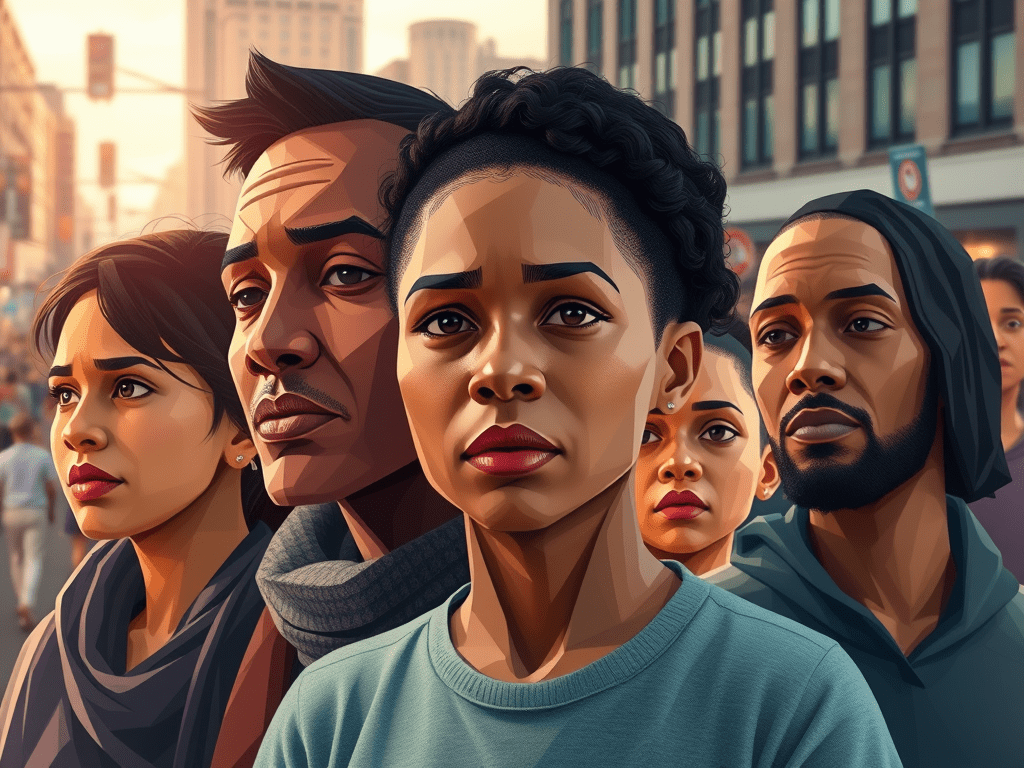
Dr. King often spoke of a hopeful philosophy he called, “The Beloved Community,” principles for social change built on the foundational belief that love transcends across humanity over fear, hate, and violence. However, as Dr. King learned at a great personal cost that ultimately ended in his assassination, people grow fearful, angry, and intrenched in hate when change comes to their neighborhood. When the enablers of violence are given the opportunity to protect the status quo of hate and injustice, the trauma on our society deepens and hope only grows dimmer.
This is why we celebrate the life of Martin Luther King Jr. with a day of rest, remembrance, and service to others: to promote the idea that hate and injustice can not and will not have the final word. Dr. King’s life work alongside countless others informs us today that progress for the common good is often slow, incremental, and encounters opposition from those who have benefited most from preserving the legacy of fear, hate, poverty, greed, violence, oppression, and the exploitation of others.
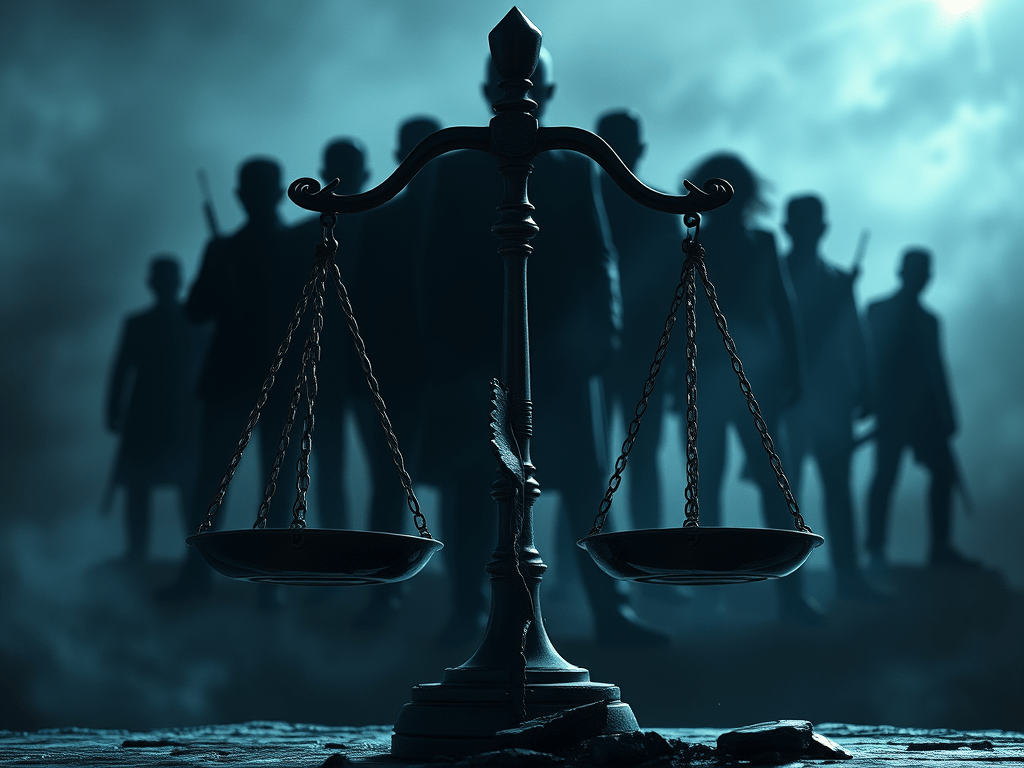
Dr. King reminds us that a bigger and more inclusive vision of hope is worth standing for because our ability to thrive and dream of a better world depends on it. Our physical, emotional, spiritual, and collective wellbeing hangs in the balance of our courage to end the sins that will ultimately seal our fate if we fail to act. If we succeed, we’ll usher in the dawn of a new era of healing and restoration for the world – for everyone, everything, everywhere.
The night before his assassination in Memphis, Tennessee, feeling under the weather and weary under the growing and relentless threats he faced on a daily basis, Dr. King gave what would become his final public address to an anxious crowd preparing to march the following day. It would seem that his assessment of America in 1968 is just as relevant today in 2024, fifty-six years later. A generation later, we are experiencing what happens when we give up dreaming and building a better world for everyone in exchange for our own populist ideals.
“The nation is sick,” Dr. King declared, feeling ill himself, with his signature bravado from the podium of the stuffy church that spring evening. “Trouble is in the land, confusion all around,” He continued. “That’s a strange statement. But I know, somehow, that only when it is dark enough can you see the stars.” (1)
Dr. King reminds us that a bigger and more inclusive vision of hope is worth standing for because our ability to thrive and dream of a better world depends on it.
The stars Dr. King referred to were the countless individuals, groups, and movements across the country and around the world who were demanding justice, peace, and freedom for themselves, their families, and their neighbors. The stars he saw in the midst of great darkness were the ones willing to march with love and truth in opposition to fear, hate, and violence. Their dream was his dream, and his dream was theirs, to bring about a better tomorrow for everyone, everywhere.
The urgency of the moment was no more apparent in 1968 than it is today.
“Men for years now have been talking about war and peace. But now no longer can they just talk about it. It is no longer a choice between violence and nonviolence in this world; it’s nonviolence or nonexistence. That is where we are today.”
A renewed movement to liberate the consciousness of the world from the evils of racism, poverty, and war is needed once again. The redemption of our existence depends on it.
[1] “I’ve Been to the Mountaintop.” Speech by Dr. Martin Luther King, Jr. delivered at Bishop Charles Mason Temple, Memphis, TN. April 3, 1968. A Call to Conscience, edited by Clayborne Carson and Kris Shepard, 209.

 Matt Till
One response to “The Dream Is Yet To Be Fulfilled: Why MLK Still Teaches Us”
[…] The Dream Is Yet To Be Fulfilled: Why MLK Still Teaches Us […]